
How Visa Policies Are Reshaping Global Business Mobility in 2026
Visa policy has moved from the HR department to the boardroom — and the organizations that have not noticed are already paying the price.

Visa policy has moved from the HR department to the boardroom — and the organizations that have not noticed are already paying the price.

The rise of remote work has permanently redefined the way professionals think about where they live and how they work. In 2026, more individuals than ever are trading traditional office environments for location-independent careers — and governments around the world are responding with dedicated digital nomad visas, tax incentives, and remote-work-friendly policies designed to attract global talent.
But with hundreds of destinations to choose from, the question is no longer can you work remotely from abroad, it is where should you go?
This guide breaks down the 10 best countries for digital nomads in 2026, evaluated across the factors that matter most: visa accessibility, cost of living, internet infrastructure, safety, lifestyle quality, and global mobility.

Artificial intelligence regulation has moved from policy discussion to legal reality faster than most organisations anticipated. With the EU AI Act now in force, national frameworks accelerating across the Gulf, and enforcement mechanisms being actively developed in the UK and Asia, AI compliance has become one of the most pressing governance challenges of 2026.
Yet not every organization carries the same level of exposure. Regulatory scrutiny is concentrated, shaped by the type of AI being used, the decisions it influences, and the jurisdictions a business operates in. Understanding where your organization sits on the compliance risk spectrum is no longer optional. It is a prerequisite for responsible AI deployment.
This article examines the three categories of business facing the greatest AI compliance exposure today, the regulatory frameworks driving that exposure, and the steps leadership teams must take to get ahead of it.

Digital health is expanding rapidly across the UAE, making the country one of the most attractive markets for healthtech companies in the region.
The UAE’s digital health sector was valued at USD 619 million in 2023 and is projected to reach USD 2.6 billion by 2030, reflecting strong demand for telemedicine, AI healthcare tools, and digital health platforms. At the same time, the broader healthcare market continues to grow steadily.
Because of its infrastructure and regional connectivity, the UAE is often the first market healthtech companies choose when entering the Middle East. However, the healthcare sector is highly regulated, and companies must navigate licensing, regulatory approvals, and data protection requirements.

In 2026, global mobility is broader than ever. According to the World Bank, more than 281 million people lived outside their country of origin in 2025, and family relocations are a growing share of that population. Many countries now offer comprehensive family immigration pathways, digital residence permit systems, and dedicated expatriate integration services, but poor planning still leads to avoidable stress, financial surprise, and compliance issues.

“Why am I suddenly tax-resident in two countries?” or “Why am I being taxed at a higher rate after relocation?” These are increasingly common questions from employees and employers navigating international assignments in 2026. As global mobility rebounds post-pandemic and cross-border talent deployment increases, understanding tax residency rules isn’t just a finance issue — it’s

As global tax rules tighten and economic uncertainty continues, more investors are asking a simple question: Where can I build long-term stability for myself and my family? In 2026, the UAE Golden Visa and Investor Visa have become practical solutions for high-net-worth individuals looking for tax-efficient residency, stronger global mobility, and a secure base for their assets. This article explores how investors are using UAE residency not just as a visa — but as a long-term wealth strategy.

In 2026, cross-border assignments, hybrid roles, remote contracts, and regional talent hubs are no longer exceptions , they are standard workforce strategy. As businesses expand internationally, employee data now moves across borders just as frequently as employees do.

Global business travel continues to grow, with spending projected to exceed $1.5 trillion by 2026. As companies expand internationally, understanding the correct business visa strategy is essential to avoid delays, penalties, and compliance risks.

Saudization has entered a more mature and structured phase in 2026. What began as a workforce nationalization initiative has evolved into a central regulatory and economic policy instrument, shaping how companies hire, structure roles, manage payroll, and plan long-term operations in Saudi Arabia.
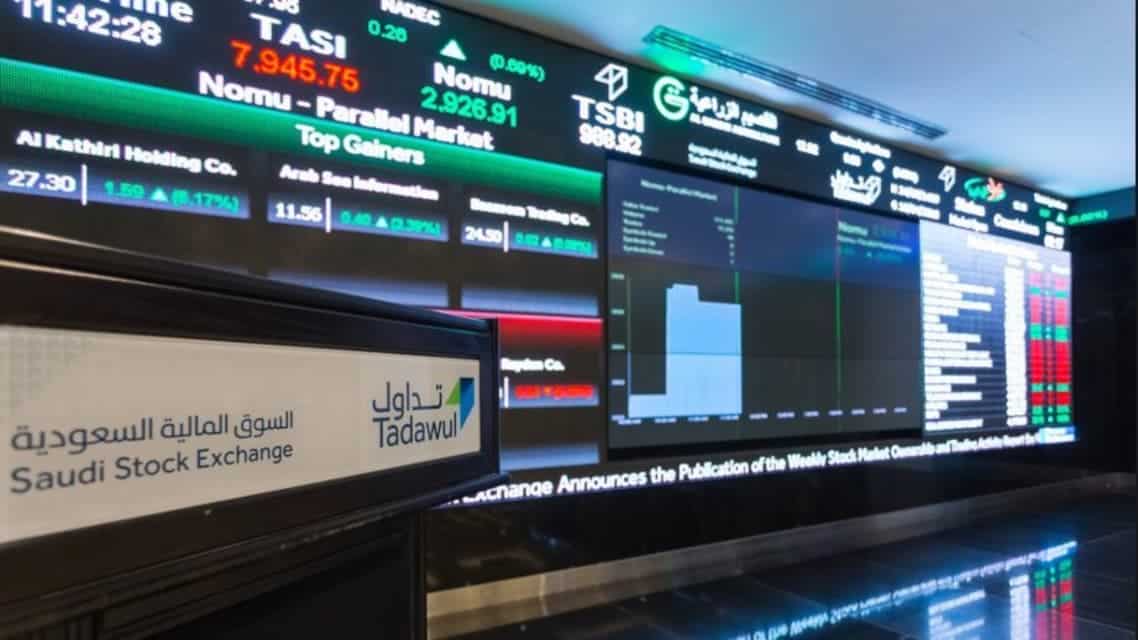
Saudi Arabia’s stock market has become one of the leading emerging markets globally. With a market value of around USD 2.5 trillion and foreign investor holdings exceeding USD 100 billion, the Tadawul continues to attract strong international interest. Ongoing reforms and easier access for foreign investors have further strengthened market participation. This article highlights the top companies to invest in the Saudi stock market and explains why they continue to appeal to long-term investors looking for exposure to the Kingdom’s growing economy.
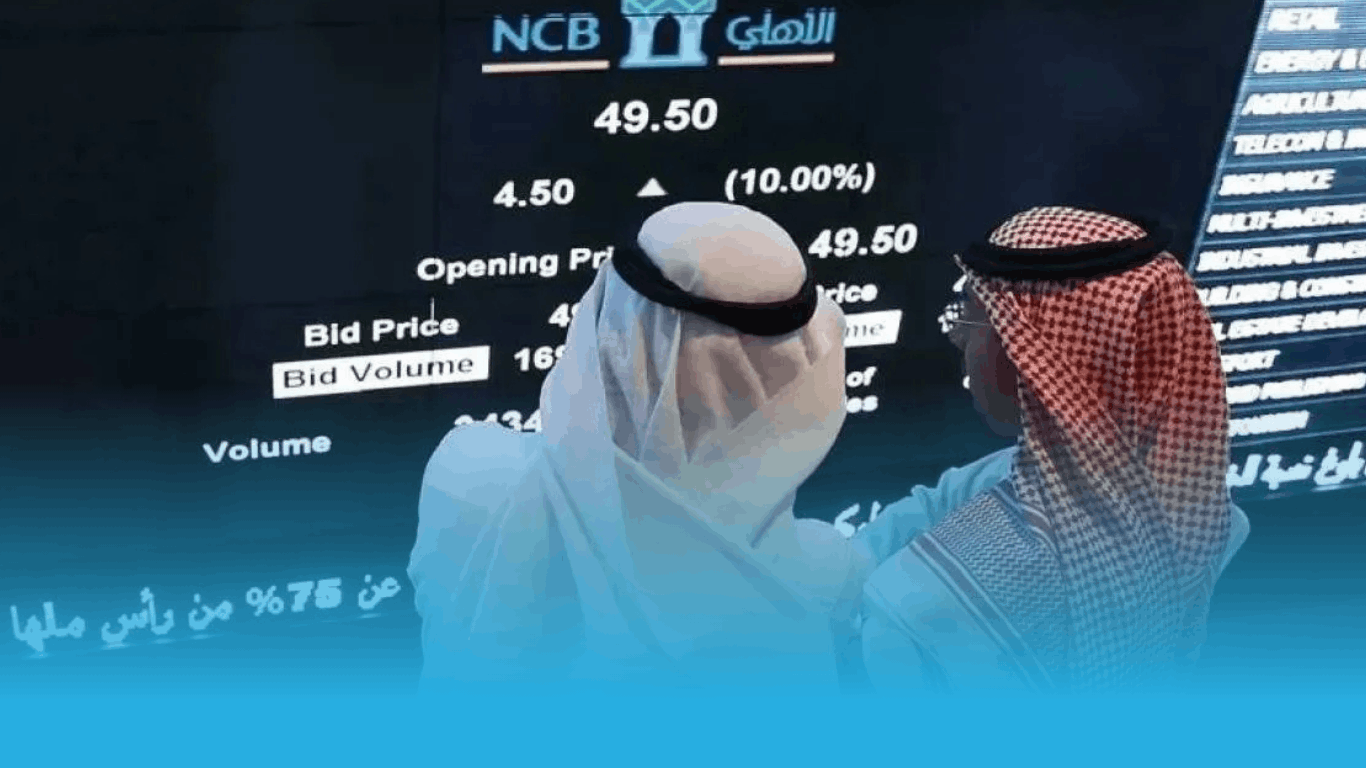
With a market capitalisation exceeding USD 2.5 trillion, Tadawul already stands as the largest stock exchange in the Middle East. From February 1, 2026, it is set to become one of the most accessible emerging markets globally. Saudi Arabia has announced that all foreign investors — including non-residents — will be allowed to trade directly

Saudization continues to be a defining factor for foreign-owned companies operating in Saudi Arabia. As part of the Kingdom’s broader workforce localisation strategy under Vision 2030, Saudization requirements have become more targeted, more closely monitored, and increasingly tied to business continuity.
For international investors and multinational companies, understanding how Saudization impacts hiring, visas, costs, and operational planning is essential to maintaining compliance and supporting long-term growth in the Saudi market.

Saudi Arabia is no longer a “future opportunity” — it is a current, high-growth market attracting international companies across technology, healthcare, manufacturing, consulting, and professional services. According to official government data, foreign direct investment into Saudi Arabia has continued to rise year on year, driven by Vision 2030 reforms, simplified licensing processes, and expanded foreign ownership rights.

Saudi Arabia continues to reshape its labour market — and the latest update will directly affect companies operating in engineering and procurement functions.
The Ministry of Human Resources and Social Development has announced higher Saudization targets for both professions, reinforcing the Kingdom’s long-term goal of increasing Saudi participation in skilled and strategic roles across the private sector.

Saudi Arabia is at a turning point. The Kingdom’s future is increasingly defined by opportunity beyond oil, and the evidence is becoming clear. According to the General Authority for Statistics (GASTAT), the country’s real GDP rose by by 5% in Q3 2025, with non-oil activities expanding by 4.9% year-on-year. At the same time, non-oil exports surged

Saudi Arabia continues to strengthen its leadership in digital governance with the introduction of a new Absher platform service “Change Resident ID Photo.”
This update gives residents the flexibility to update their Resident ID (Iqama) photo entirely online, marking another major stride in the Kingdom’s digital transformation efforts.

The global workforce has entered a new era, one where geography no longer defines opportunity. As companies compete for skilled professionals, borderless employment has evolved from a remote-work experiment into a critical component of corporate talent strategy. In 2025, this shift is reshaping how organizations attract, manage, and retain employees. Businesses that once focused on

Saudi Arabia’s entrepreneurial landscape is thriving. Backed by Vision 2030, the Kingdom saw a 44% jump in foreign investment, US $750 million in startup funding, and thousands of new businesses in 2025, all part of a growing ecosystem that’s attracting innovators from around the world.

Dubai has always been fast to adapt to the needs of global business. Its latest step, the Unified Business License, is a game-changer for anyone looking to start or expand a company in the emirate. Instead of navigating multiple permits and overlapping approvals, businesses can now operate more freely under one simplified framework.