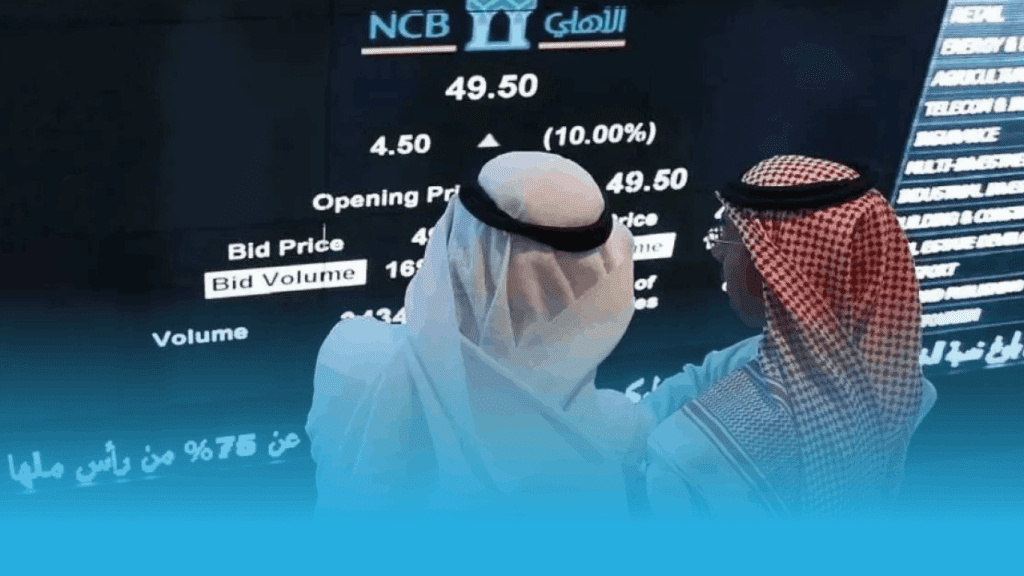
With a market capitalisation exceeding USD 2.5 trillion, Tadawul already stands as the largest stock exchange in the Middle East. From February 1, 2026, it is set to become one of the most accessible emerging markets globally.
Saudi Arabia has announced that all foreign investors — including non-residents — will be allowed to trade directly on Tadawul, marking a decisive shift in the Kingdom’s financial policy. The reform was confirmed by the Capital Market Authority (CMA) and represents a major milestone under Vision 2030, the country’s long-term economic transformation agenda.
New Rules for Foreign Investors in Saudi Arabia’s Stock Market
Until now, direct access to Saudi equities was limited to Qualified Foreign Investors (QFIs) — primarily large institutions meeting strict asset and compliance thresholds. Smaller institutions, funds, and individual investors were excluded, often forced to participate indirectly through swap arrangements or exchange-traded funds (ETFs).
The new framework removes the QFI classification entirely for the main market. From February 2026, foreign investors will be able to trade Saudi-listed equities directly through local brokers, without prior approval or minimum asset requirements. This reform builds on earlier CMA initiatives, including consultations held in late 2025, aimed at increasing liquidity, improving transparency, and aligning Saudi Arabia’s capital markets with international standards.
Impact of Opening Tadawul to Foreign Investors
Opening Tadawul to more foreign investors is expected to bring more trading activity and more global capital into the market. In other emerging markets, similar changes increased foreign participation by 20–30% in the first year.
For Saudi Arabia, this could lead to:
More liquidity in the market
Better company valuations
Greater confidence from global investors
Stronger links to global stock market indices
Overall, this move makes Saudi Arabia’s stock market easier to access and more attractive to international investors.
Economic impact
Broader market access supports Saudi Arabia’s push to diversify its economy by unlocking global capital for large-scale national initiatives, including NEOM and the Red Sea Project.
It also reinforces Riyadh’s ambition to position itself as a regional financial hub, capable of competing with established global markets while maintaining regulatory robustness.
Challenges and considerations
Despite the opportunity, foreign investors will still need to navigate:
Local brokerage onboarding
Tax and reporting obligations
Strict anti-money laundering and compliance standards enforced by the CMA
Some market participants have raised concerns around short-term volatility from speculative capital flows. However, proponents argue that deeper participation and improved governance will ultimately strengthen market stability and maturity.
The bigger picture
This reform underscores Saudi Arabia’s confidence in its evolving financial ecosystem and reflects the broader reform agenda led by Mohammed bin Salman to reduce oil dependency and integrate the Kingdom more deeply into the global economy.
For global investors, February 1, 2026 represents more than a regulatory change — it marks direct access to one of the world’s fastest-growing and most strategically significant capital markets.
